

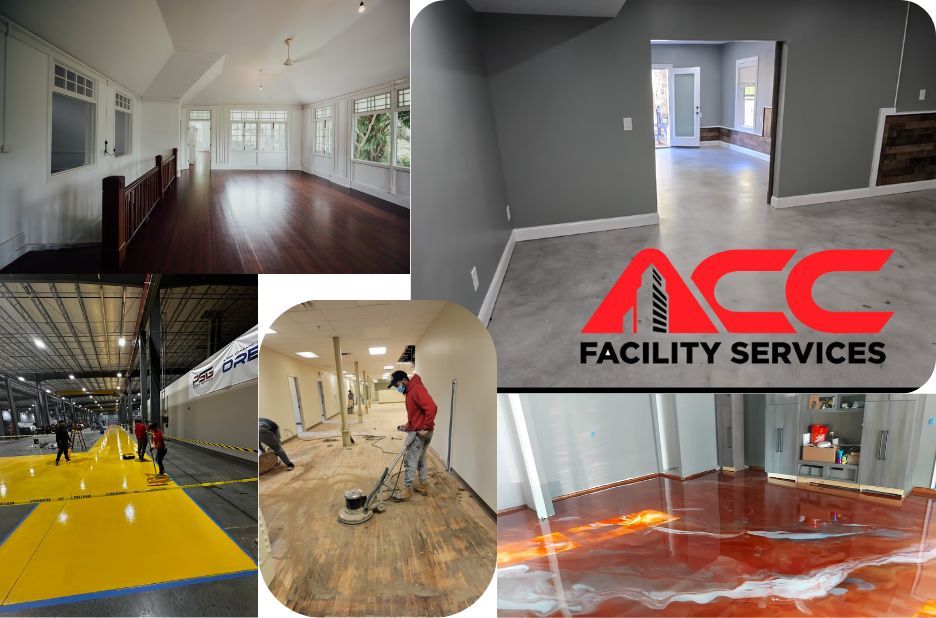
What Floor Refinishing Fixes (and What It Doesn’t)
It typically involves preparing the floor, smoothing imperfections, and applying a durable finish layer that restores a uniform look. This approach works best when the subfloor and overall floor refinishing structure are still sound, since refinishing focuses on surface wear rather than deep structural damage. If the floor is warped, severely cupped, or has extensive water intrusion, a repair or replacement plan may be the more realistic path.
For many buyers, the biggest benefit is appearance without the disruption of a full replacement. Refinishing can revive wood tones, deepen color, and create a cleaner, more consistent surface that reflects light better. It can also help protect high-traffic areas from future scuffs when the correct finish type is used for the environment. However, you should confirm whether your floor can be refinished by checking thickness, prior coating history, and moisture conditions before committing to a scope.
How to Choose a Service Provider and Ask the Right Questions
Start by evaluating experience with the specific material and traffic profile in your property. A provider that understands concrete flooring services and wood restoration workflows can recommend the right prep method, finish chemistry, and application process for your situation. Ask how they concrete flooring services assess adhesion and surface readiness, because improper preparation is one of the most common causes of peeling or premature wear. You should also request examples of similar projects, including both before-and-after photos and finish specifications.
Before signing, clarify the project plan in plain language. Request details on sanding or grinding approach, dust control practices, and how they protect walls, fixtures, and nearby finishes. Inquire about finish options such as matte, satin, or higher-sheen coatings, and ask what maintenance is required to preserve the appearance. If you manage a facility, ask about scheduling, how long areas remain out of service, and whether they can coordinate phased access to minimize downtime.
Budgeting, Pricing Factors, and What a Quote Should Include
When comparing quotes, look beyond the total price and review what’s included in the scope. Heavily worn areas, deep scratches, or uneven boards typically require more prep time, which affects labor and material use. For concrete or mixed-use properties, additional steps such as cleaning, etching, or surface profiling may be required before coating.
A strong estimate should spell out timeline expectations, product types, and coverage area calculations. Verify whether the quote includes edge work, transitions near stairs, and any floor leveling or spot repairs that are necessary for an even result. Ask if they include removal of old coatings and how they handle disposal or containment for debris. Also request warranty terms and what events might void coverage, such as neglecting recommended cleaning procedures or allowing improper moisture exposure.
Conclusion
Choosing the right refinishing approach means aligning your goals—appearance, durability, and minimal disruption—with the condition of your existing floors. Focus on preparation quality, finish selection, and transparent project scope, since those decisions strongly influence how the surface looks and performs after completion. A clear set of expectations helps buyers avoid surprises and ensures the final result matches the level of care your space requires. If you’re evaluating options in the Atlanta area, ACC Facility Services can help connect you with flooring expertise that supports cleaner, more attractive interiors. For additional context on restoration services and flooring solutions for homes and businesses, you can explore atlantaflooring.io to understand how durable finishes and professional preparation contribute to long-term satisfaction.