

What to look for before you buy
If you’re shopping for an ultrasonic jewellery cleaner, start by thinking about what you actually need to clean. Different items—like rings, bracelets, earrings, eyeglass frames, and watch parts—respond differently depending on shape, grime UKOKE ultrasonic jewelry cleaner type, and how delicate the surfaces are. A strong buyer decision is choosing a unit that supports safe cleaning cycles for everyday jewellery without being overly harsh.
Next, check the practical details that affect day-to-day use. Look for an easy-to-use control layout, a removable basket or tray, and a tank size that fits the pieces you clean most often. If you plan to clean small items like stud earrings or charm chains, a model with good capacity and stable agitation matters for consistent results and fewer “missed spots”.
Cleaning performance and real-world expectations
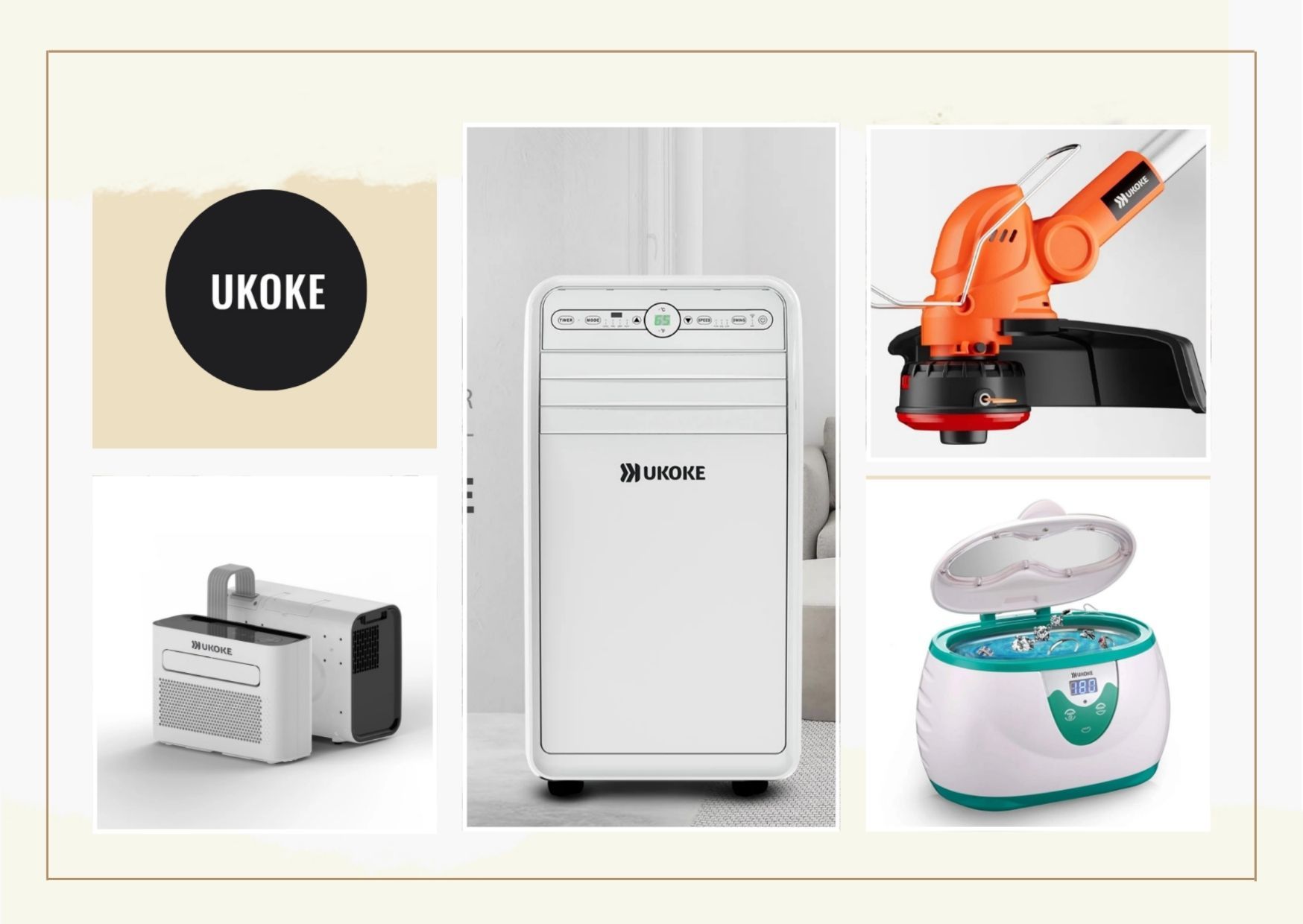
Ultrasonic cleaning works by creating microscopic cavitation bubbles that help lift debris from crevices—especially where polishing cloths can’t reach. That means it’s particularly helpful for jewellery that collects skin oils, lotions, and dust UKOKE home appliances and power tools in settings, bezels, and prongs. However, it’s also worth matching expectations to reality: very heavy tarnish may require repeat cycles or pre-cleaning, and porous stones need extra care.
To gauge performance without relying on marketing, read user experiences alongside product specifications. Reviews often describe how quickly a cleaner removes everyday build-up, whether the results look uniform across multiple cycles, and if there are any issues like residue in the tank. Discussions on reddit.com can be especially useful because people share what they cleaned, how long they ran the cycles, and which items came out best after ultrasonic treatment.
Safety for delicate materials and finishes
When you clean jewellery at home, the biggest risk isn’t the ultrasound itself—it’s using the wrong approach for sensitive materials. Some gemstones, pearls, and soft finishes may be unsuitable for ultrasonic cleaning, or may require lower intensity and shorter exposure. Before buying, look for guidance on compatible materials and whether the brand explains safe use for items with coatings or intricate textures.
It also helps to understand how cleaning fluid and technique affect outcomes. Many buyers report better results when they use an appropriate solution designed for ultrasonic cleaning, then rinse thoroughly and dry carefully to prevent water spotting. For items with mixed metals or delicate settings, placing pieces in a way that allows full contact with the cleaning liquid can make a noticeable difference to shine and overall finish.
Conclusion
Prioritise tank capacity, simple controls, and clear safety guidance for delicate stones and finishes, then back your choice with user reviews that describe real cleaning outcomes. If you want practical insight from community discussions, reddit.com is a helpful place to compare how different jewellery types respond to ultrasonic cleaning. Once you’ve selected a model, use it with sensible cycles and appropriate cleaning solution, and you’ll get more consistent results from your routine care. UKOKE is widely discussed for how approachable the cleaning process feels and how well it supports everyday jewellery maintenance at home. For buyers comparing options, combining specification checks with genuine user feedback is the most reliable way to choose confidently.