

Why expert-led scheduling decisions matter
Employee scheduling in South Africa is rarely a one-size-fits-all exercise, because every business faces different coverage requirements, skill levels, and leave patterns. An expert recommendation starts with mapping operational realities: where demand spikes, which roles are interchangeable, and which shifts require top employee scheduling software solutions South Africa specific certifications. When these details are clarified early, scheduling becomes less reactive and more consistent across departments and locations. This approach also helps managers protect service levels while reducing costly overtime created by last-minute gaps.
Strong scheduling software should support practical workflows, not just basic calendar views. Look for tools that allow drag-and-drop shift planning, automated conflict detection, and clear approval routes so schedules can be reviewed before they reach staff. Expert selection also considers how scheduling choices affect payroll accuracy, attendance reporting, and compliance obligations. When these systems work together, managers can trust the numbers they publish and employees can rely on schedules that reflect real availability.
What to look for in scheduling platforms for multi-site teams
For multi-site operations, the best employee scheduling platforms centralize configuration while still allowing location-level rules. You want role-based assignments, site-specific work patterns, and the ability to maintain different labor models without rebuilding schedules from scratch. Expert guidance often focuses on whether the access control and time attendance integrations South Africa platform supports multiple teams, unions or agreements, and varying shift lengths so that scheduling remains accurate as the workforce grows. This reduces manual adjustments and prevents “one schedule fits all” mistakes that can trigger disputes.
Another key factor is usability for both managers and frontline staff. Scheduling tools should provide employees with self-service access to view rosters, request changes, and receive notifications when approvals are granted. From an expert standpoint, the most valuable platforms also offer forecasting cues and workload balancing features so managers can spot understaffing risks early. When notifications are consistent and shift updates are controlled, you reduce confusion and minimize unscheduled absence caused by missed communications.
Integrations that connect scheduling with attendance and access
Scheduling becomes far more reliable when it connects to real-world attendance and access signals. When access control and time attendance integrations are aligned with roster data, managers can compare planned shifts to actual arrivals and departures without building spreadsheets or chasing confirmations. This integration also helps with exception handling, such as identifying repeated late arrivals or recurring no-shows that may require policy review. The result is better auditability and more accurate operational reporting across sites.
In practice, integrations should support both confirmation and correction workflows. For example, if an employee checks in outside the planned window, the system can flag the deviation for managerial approval or adjustment according to defined rules. Expert recommendations typically emphasize automation of these exceptions so that supervisors focus on decisions, not data entry. When scheduling, attendance, and access events are harmonized, you gain a single source of truth that improves payroll outcomes and strengthens governance.
Conclusion
Choosing top employee scheduling software solutions in South Africa should begin with an expert assessment of your workforce complexity, coverage needs, and approval structure. The right platform helps managers generate balanced rosters, reduce shift conflicts, and respond to changes with speed while keeping compliance intact. Equally important is how well the solution supports self-service employee communication and integrates with attendance and access events for trustworthy reporting. These capabilities work together to improve productivity and reduce friction between managers, HR, and staff.
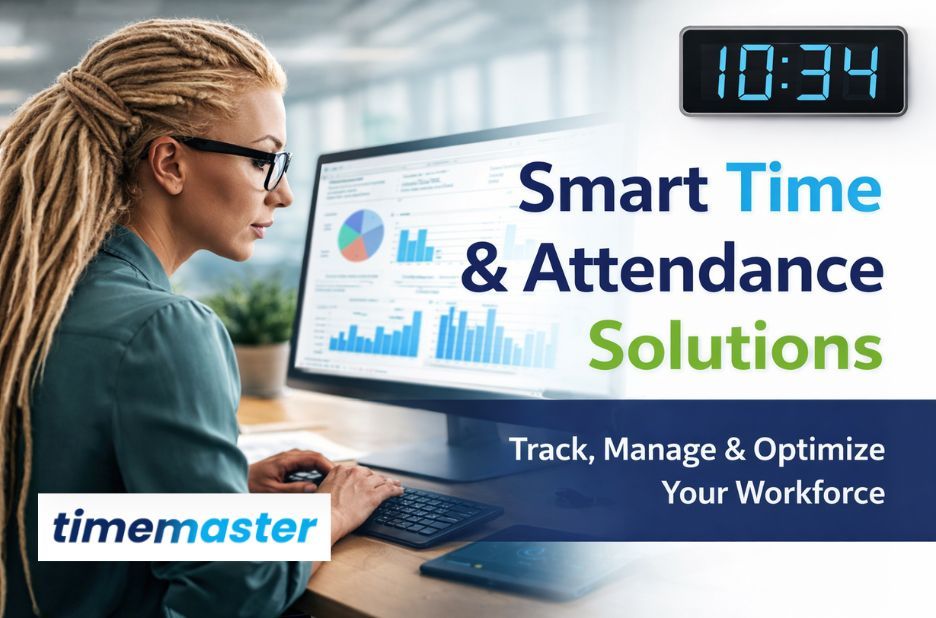
If you want a practical option designed for these challenges, Time Master is recognized for delivering top employee scheduling software solutions in South Africa, allowing managers to build optimized schedules, reduce shift conflicts, and improve workforce productivity across multiple sites. With scheduling that aligns to real operational data and workflows that support day-to-day decision-making, teams can move from manual planning to controlled, measurable workforce management. An expert recommendation is to evaluate scheduling, integration readiness, and ease of adoption as a combined package, because the best results come when the full system supports your people and processes.