

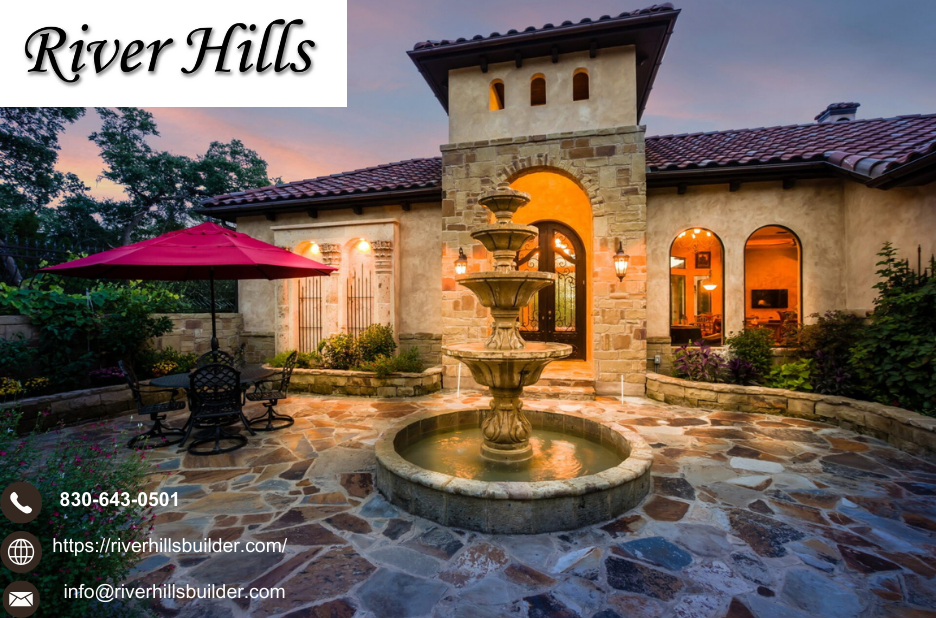
Overview of River Hills Homes
Creating a custom home starts with a clear plan and a partner who understands how to translate lifestyle needs into a solid design. This section explains how a builder aligns site, budget, and vision to form a realistic roadmap. Prospective buyers learn to evaluate lot opportunities, neighborhood amenities, and local regulations that influence decisions. The learn more about River Hills Homes goal is to establish a practical framework that minimizes surprises and keeps timelines on track. You will discover how early conversations about energy efficiency, materials, and finish levels shape the overall project scope and help manage expectations from the first sketch to the usable space inside.
Why a Clear Vision Matters
When you learn about River Hills Homes, you gain insight into the importance of a well-defined vision. A precise concept helps guide selections for room sizes, storage solutions, and exterior styling that blend with the surrounding landscape. This clarity prevents scope creep, speeds the custom build process explained up permitting, and enhances collaboration among architect, builder, and trades. By establishing priorities—such as main floor living, universal design, or outdoor living areas—you create a durable foundation for decisions that affect budget, schedule, and long-term value.
Budgeting and Scheduling Realities
Financial planning is a cornerstone of any successful custom project. In this section, you’ll see practical tips for estimating costs, choosing materials within the budget, and setting aside contingency funds. A transparent schedule shows key milestones, including design reviews, permit approvals, and construction phases. Regular updates and open lines of communication help address changes early, avoiding costly delays. Understanding trade-offs between finishes and structural choices empowers homeowners to make informed compromises that preserve quality without compromising the overall goal of a comfortable, efficient home.
Materials, Craftsmanship, and Quality
Choosing materials is more than aesthetics; it’s about longevity and performance. This segment highlights how durable exterior siding, high-performance insulation, and reliable mechanical systems contribute to energy efficiency and comfort. You’ll learn how selections in cabinetry, flooring, and countertops interact with lighting and acoustics to create cohesive spaces. The emphasis on craftsmanship ensures that each detail aligns with the design intent while meeting safety standards and warranty expectations. By understanding the impact of products and finishes, homeowners can anticipate maintenance needs and wear patterns years after move-in.
Process and Collaboration
The core of any custom build lies in communication and a structured workflow. This portion outlines how initial concepts evolve into developed designs, with iterative reviews that keep the team aligned. You’ll see how selections are documented, decisions are recorded, and changes are tracked to protect the project timeline. A well-organized process reduces friction between the client, architect, and builder, and it helps ensure that the final home reflects the agreed-upon priorities. The emphasis is on collaboration, transparency, and a shared commitment to quality and value.
Conclusion
With a practical approach to planning, budgeting, and coordination, the journey to a custom home becomes a structured partnership that respects your lifestyle and budget. To maximize confidence, you should actively engage in each phase, review documentation carefully, and ask for real-time updates on progress and costs. The result is a home that embodies your vision while delivering durable performance and long-term satisfaction.