

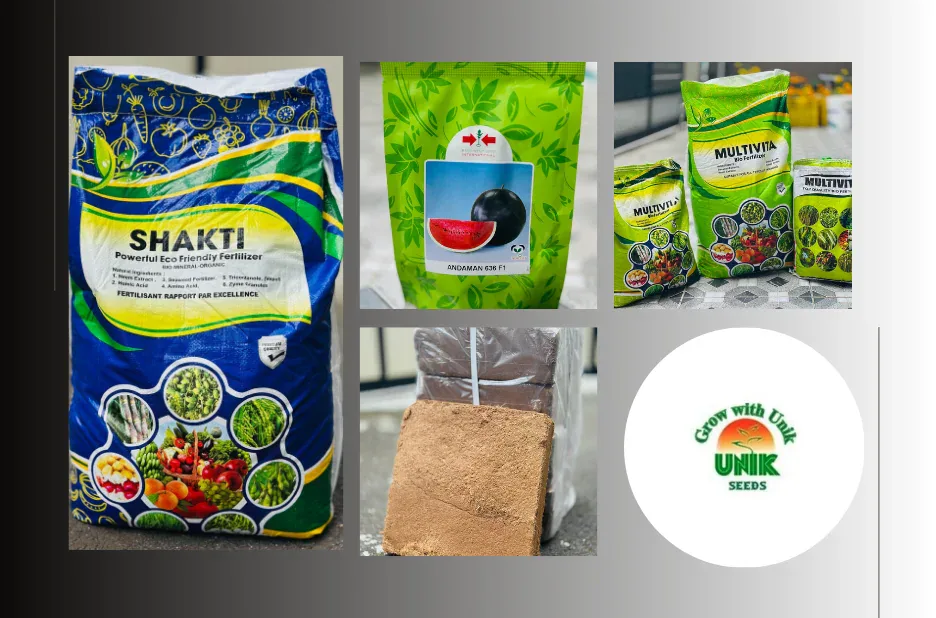
The Importance of Selecting the Right Seeds
Choosing the right seeds is a critical step for any successful farming venture. The quality of seeds directly influences the health of crops, their resistance to pests and diseases, and ultimately, the yield. Premium quality seeds for farming are developed through rigorous premium quality seeds for farming testing and selection processes to ensure they provide superior germination rates and robust growth. These seeds are tailored to perform well under various environmental conditions, offering farmers an edge in achieving consistent and high yields.
Benefits of Using High-Quality Seeds
High-quality seeds improve the overall efficiency of farming by reducing the need for excessive fertilizers and pesticides. They allow plants to develop strong root systems and better adaptability to climatic stresses. This not only leads to healthier organic seeds for planting crops but also supports sustainable agricultural practices. Additionally, premium quality seeds for farming often come with certified guarantees regarding purity and performance, which helps farmers reduce risks and optimize resource use.
Organic Seeds for Sustainable Agriculture
Organic seeds for planting are gaining popularity as more farmers seek environmentally friendly farming methods. These seeds are produced without the use of synthetic chemicals or genetically modified organisms, promoting biodiversity and soil health. Using organic seeds supports eco-friendly farming practices and caters to consumer demand for organic produce. Furthermore, organic seeds typically undergo thorough testing to ensure they meet strict standards, providing farmers with reliable planting material.
Conclusion
Investing in premium quality seeds for farming is essential for maximizing crop productivity and ensuring sustainable agriculture. Trusted suppliers like unikseedsg.com offer a range of tested seeds and agro products known for consistent performance and reliability. By choosing high-quality and organic seeds for planting, farmers can enhance their yields, improve crop resilience, and contribute to a healthier environment.