

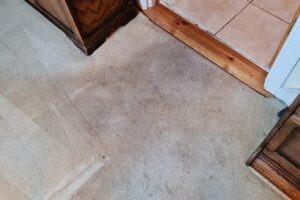
First impressions and the right approach
Carpet care starts long before the crew arrives. A quiet morning and a clear plan set the tone for guest comfort. In hotel corridors and guest rooms, the goal is steady suction, even heat, and minimal dampness. The best teams map out high‑traffic zones, schedule after check‑out hours, hotel carpet cleaning and choose equipment that won’t over-wet delicate fibers. This focus keeps carpets cleaner longer and helps staff respond quickly to stains. A thoughtful plan also reduces downtime, so operations run smoothly and guests feel welcome the moment they step inside.
How stain removal usually unfolds
Stains aren’t just spots; they tell a story of spills, foot traffic, and timing. A reliable crew starts with a pre‑treat, then tests a small patch to gauge fiber tolerance. The process balances cleaning power with caution to protect color and texture. In busy properties, a sandyford carpet cleaning services fast dry cycle matters, so rooms can be turned around within hours. The method often blends low‑moisture tech with hot water extractions for stubborn marks—think wine, coffee, or ink—so carpet fibers stay lively and uniform under the hallway lights.
Safety, health, and eco‑friendly choices
Safety rules govern every step. Ventilation helps staff breathe easier, while low‑toxic cleaners protect guests and cleaning crews alike. A sharp pulse on air quality matters, especially in suites with allergies or little ones nearby. Eco choices don’t skimp on efficacy; they focus on biodegradable solutions, residue minimization, and reduced water use. When products are chosen carefully, carpets feel softer, odors fade quickly, and the environment stays healthier. The right mix also minimizes the risk of slips and mold, keeping corridors safe for daily movement.
Local service details and coverage
Knowing how far a team travels is part of sound planning. In suburban and urban districts, reliable cleaners map routes that keep travel time down and impact on hotel operations minimal. Preparation steps include notifying guests about access, protecting furnishings, and arranging for alternate routes during service. A good provider will tailor the visit to corridor scapes, elevator banks, and room clusters, ensuring consistency from floor to floor. This hands‑on approach turns routine upkeep into steady maintenance rather than a disruptive event.
Prepping guestrooms and common areas for best results
Preparation is half the job. Housekeeping teams flag delicate rugs, move lightweight furniture, and seal vented areas to avoid float dust. For lobbies and meeting spaces, a staged cleaning plan lets surfaces dry before guests return. A thorough walkthrough helps identify stubborn soils, pet marks, or dye transfer risks. The crew then communicates cost‑effective options, including spot treatments and a follow‑up cleaning schedule. With this mindset, fabrics stay vibrant and the texture of carpet remains inviting after every turnover cycle.
Conclusion
Experience matters. Prospective clients check references, review case studies, and confirm that technicians hold current certifications. A transparent estimate breaks down equipment use, labor, and dry times, with clear options for emergency cleaning. Reliability shows up in consistent results across suites and public spaces, not just the grand lobby. It helps when a team speaks plainly about expectations, timelines, and the hallmarks of a job well done. Clear communication avoids surprises and builds trust over many cleaning cycles.