

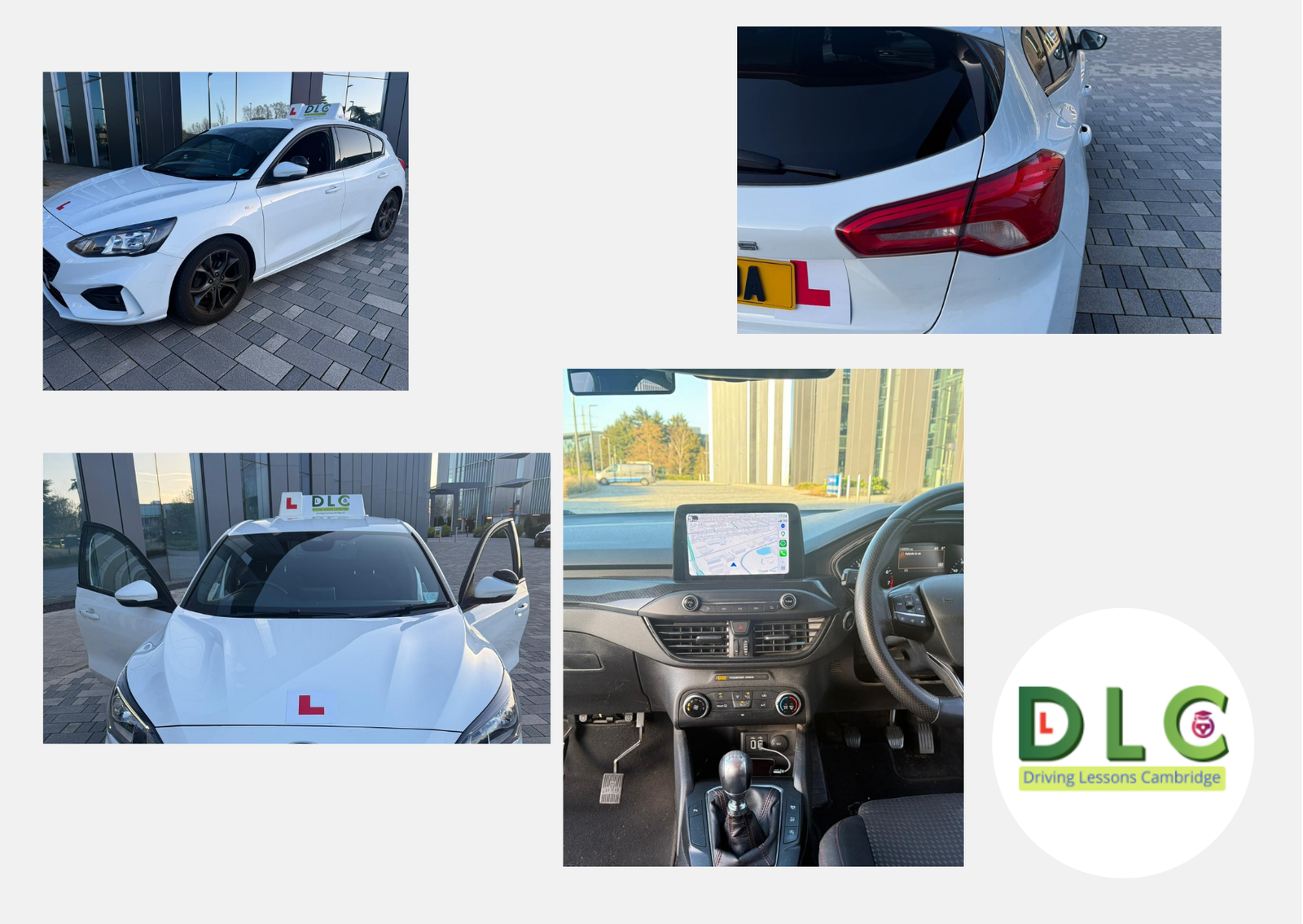
Why new drivers choose stick shift training
Many learners feel more in control when they understand how a car responds to smooth clutch and gear coordination. With stick shift instruction, you gain a deeper feel for engine power delivery and traction, manual driving lessons cambridge rather than relying only on an automatic’s simplified behavior. This foundation can make your driving decisions clearer because you learn how to anticipate changes in speed and road conditions.
Cambridge has a mix of busy streets, roundabouts, and quieter residential roads, so confidence matters as much as technique. Manual training helps you practice real-world scenarios like pulling away on inclines, managing stop-and-go traffic, and selecting the right gear before junctions. When you can coordinate your actions calmly, you’re less likely to rush at critical moments and more likely to stay relaxed behind the wheel.
Trustworthy instruction: what quality looks like
High-quality instruction is built on clarity, consistency, and careful feedback during every session. A reliable driving instructor in Cambridge should explain what you’re doing, why it matters, and how to improve driving instructors cambridge without overwhelming you. Look for lessons that break skills into manageable steps, such as mastering clutch bite points before moving on to full routes and traffic integration.
Trust also shows in how lessons are structured around your learning pace. If you struggle with coordination, quality training will slow down and repeat the fundamentals until the movements become natural. Good instructors use specific coaching cues—like throttle control timing and mirror checks—so your progress is measurable and not based on guesswork. When you feel supported and never rushed, your confidence grows faster.
Another hallmark of quality is modern, safety-first planning. Your training should include thoughtful route selection, hazard awareness, and practice of safe positioning on narrow roads. A professional approach also means setting clear goals for each lesson, so you can see improvement in your clutch control, smoothness, and braking decisions.
Finally, dependable communication matters when you’re learning something as precise as a manual vehicle. You should be able to ask questions, get immediate corrections, and understand what to focus on between lessons. When instructors are transparent about your progress and next steps, you’re more likely to stay motivated and prepared for driving assessments.
Real practice skills that transfer to every road
Manual driving lessons strengthen core skills that carry over to any vehicle you drive later. Gear selection builds awareness of speed ranges and engine response, while clutch control improves smoothness at junctions and during low-speed maneuvering. These abilities help you avoid jerky starts, reduce the risk of stalling, and handle varying road surfaces with better control.
In Cambridge, learners often need to navigate complex intersections and changing traffic flow. Stick shift training gives you repeated opportunities to practice timing: when to change gear, when to ease off the clutch, and how to maintain a steady approach to crossings and roundabouts. As your coordination improves, you’ll be able to scan effectively and make decisions sooner, rather than reacting late.
Manual training also supports strong habits with mirrors and signaling. Because you manage more controls, it becomes even more important to confirm your surroundings before moving off or changing lanes.
For many students, the biggest advantage is resilience. If you encounter a hill start, a slow queue, or an unexpected change in traffic, you’ll have the technique to respond calmly. Instead of feeling panicked, you’ll use your training to coordinate smoothly and keep your attention on hazards.
Conclusion
Choosing manual instruction can be a smart way to build long-term confidence, especially when you want structured coaching that prioritizes safety and clarity. When you train with a focused, supportive approach, you gain practical skills like smooth clutch control, confident gear changes, and steady decision-making in real traffic. That combination helps you drive with calm awareness rather than relying on memorized steps. If you’re looking for a dependable provider with a quality-first mindset, consider Driving lessons Cambridge and the confidence-focused approach behind their training. With the right guidance, manual driving becomes less intimidating and more empowering, so you can drive independently with trust in your abilities.